Difficulties
What Are Mental Health Issues?
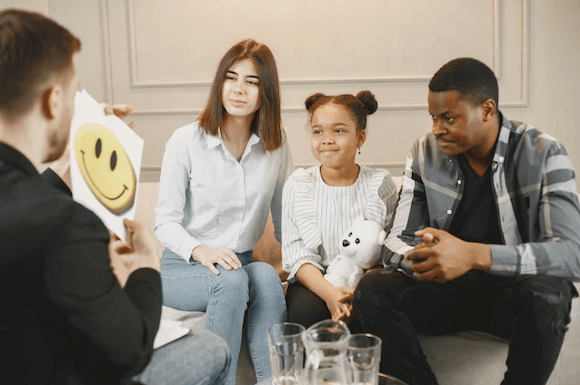
Mental health issues refer to difficulties that affect how a person thinks, feels or manages everyday life. Different mental health issues can include difficulties such as anxiety, low mood, trauma, emotional overwhelm or struggles at school and with friendships.
These experiences can make it harder for children to manage their feelings or cope with everyday situations. At The Little Bee Clinic, our trained clinical and counselling psychologists, psychotherapists and specialist therapists help children understand their emotions and build healthy ways to cope and thrive.
What Are Examples Of Mental Health Issues We Can Help With?
Anxiety
Anger
Addiction
Feeling Low
ADHD
School Difficulties
Low self-confidence
Autism
Family difficulties
Bereavement
Eating problems
Trauma
Divorce
Exam Stress
Friendship difficulties
Life changes
Do You Offer Children's Mental Health Support Near Me?
The Little Bee Clinic offers children’s mental health support across several convenient locations. You can visit us for face-to-face sessions at our welcoming clinics in Finchley (N3 1QB), Brixton/Clapham (SW2 5UL), Stratford (E15 1NT) in London, and our practice in Leeds (LS7 4NY), with home visits available where needed.
If you are not close to one of our clinics, we also provide online therapy via zoom or via phone, allowing children and families to access professional support from anywhere in the UK or internationally, including Manchester, Sheffield, Newcastle, Durham, Leicester, Reading, Milton Keynes, Southampton, Portsmouth, Glasgow, Edinburgh, Cardiff and Swansea to name a few locations.
How To Support A Child With Mental Health Issues
Step 1 - Listen Closely & Observe Your Child
Pay attention to your child’s emotions, behaviours and daily struggles. Understanding what they are experiencing is the first step in offering meaningful support.
Step 2 - Encourage Open Conversation
Create a non-judgmental space where your child feels comfortable sharing their thoughts and feelings. If you need extra guidance, you can get in touch with The Little Bee Clinic for professional support.
Step 3 - Receive Expert Help
Our trained child psychologists, play therapists and counsellors at The Little Bee Clinic can work with your child to build coping skills, increase their confidence and prevent further mental health issues, offering tailored support every step of the way.
FAQs
At What Age Can Children Start Therapy At The Little Bee Clinic?
Children can start therapy at The Little Bee Clinic from toddler age through to adolescence. Sessions are tailored to each child’s developmental stage, ensuring activities and techniques are age-appropriate. Our therapists work closely with families to create a safe and supportive environment for every child.
What Are Common Signs Of Mental Health Issues?
Common signs include persistent sadness, anxiety, frequent mood changes, difficulty sleeping, struggles at school or challenges in friendships. Children may also show changes in behaviour, such as withdrawing from activities or acting out more than usual. Recognising these signs early can help provide timely support and guidance.
Is Depression A Mental Health Issue?
Yes, depression is a recognised mental health condition that can affect children and teens. It may present as low mood, loss of interest in activities, fatigue, changes in appetite or feelings of hopelessness. Early support from trained child therapists can help children to manage these feelings and develop coping strategies.
How Do I Support My Teenager With Mental Health Challenges?
Start by listening without judgment and encouraging open communication about their feelings. Maintaining routines, providing reassurance and modelling healthy coping strategies can also help. If needed, professional guidance from therapists at The Little Bee Clinic can provide structured support and personalised strategies for your teen.
Will Parents Be Told What Happens In Therapy Sessions?
Children’s therapy sessions are confidential to ensure they feel safe to share openly. Therapists may provide parents with general updates on progress and strategies to help at home, but the content of sessions is only shared with consent. This balance helps protect the child’s trust while keeping parents informed.
Do You Accept Health Insurance For Children’s Therapy?
Yes, we accept a range of health insurance providers, including Bupa, Aviva, AXA, Vitality and WPA, and can invoice them directly where possible. Coverage depends on your individual policy, so it is a good idea to check with your provider beforehand.