
Yes, play therapy can be very successful, with research showing that over 71% of children who receive it demonstrate positive change in their emotional or behavioural wellbeing. This widely used therapeutic approach draws on a child’s natural way of communicating through play, allowing them to express feelings they may not yet have the words for. Over time, this process can support emotional healing and improve relationships in a developmentally appropriate way.
What Is Play Therapy?
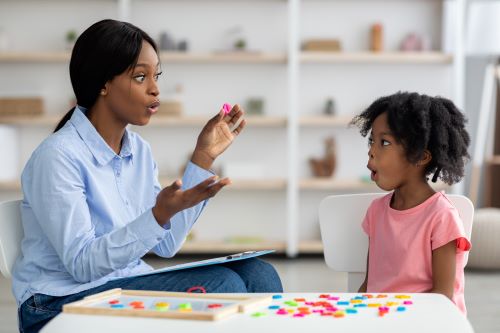
Play therapy is a structured form of psychological support designed primarily for children aged between 3 and 12 years old. Rather than relying on conversation alone, therapists use toys, creative activities and storytelling to help children explore their thoughts and emotions safely.
From a child psychology perspective, play is not simply entertainment. It is a language. Through imaginative scenarios and symbols, children reveal internal experiences such as anxiety, confusion or distress. A trained therapist observes and gently guides this process, helping the child make sense of their world.
What Does Play Therapy Research Say?
A growing body of evidence supports the effectiveness of play therapy across a range of difficulties. Multiple studies have found moderate to large positive effects, placing play therapy alongside other established strategies.
Research also shows that play therapy can reduce behavioural problems, improve self concept and enhance relationships with parents and peers. In some cases, children receiving play therapy have demonstrated significant improvements in anxiety, emotional regulation and social skills.
Importantly, outcomes tend to be strongest when parents or caregivers are involved in the therapeutic process and when sessions are delivered consistently over time. This highlights the importance of a supportive environment beyond the therapy room.
How Does Play Therapy Help Children?
Children often lack the vocabulary or confidence to articulate complex emotions. Play therapy bridges this gap by providing a safe and familiar medium through which they can communicate.
For example, a child experiencing trauma may use dolls or figures to replay distressing events, allowing the therapist to understand their perspective. Over time, the therapist can help the child reframe these experiences, develop coping strategies and regain a sense of control.
Play therapy can be particularly effective for children dealing with anxiety, grief, behavioural difficulties or changes in family circumstances. It supports emotional development while respecting the child’s pace and readiness.
When Is Play Therapy Most Effective?
Play therapy tends to be most beneficial when it is tailored to the individual needs of the child and delivered by a qualified professional. The therapeutic relationship itself is a key factor. Children must feel safe, understood and accepted.
Consistency is also essential. Research suggests that meaningful change often occurs after a series of sessions rather than a single intervention. In addition, involving parents in the process can strengthen outcomes by reinforcing therapeutic progress at home.
It is worth noting that while play therapy is highly effective for many children, it may be used alongside other approaches depending on the child’s needs. This integrated approach ensures that support remains flexible and responsive.
How Can The Little Bee Clinic Help With Play Therapy?
At The Little Bee Clinic, children benefit from a highly skilled team of psychologists who specialise in play therapy. Our approach is rooted in evidence based practice and a deep understanding of child development.
Our team creates a warm and welcoming environment where children feel comfortable expressing themselves freely. Each session is carefully structured to meet the individual needs of the child, whether they are experiencing anxiety, behavioural challenges or emotional distress.
The team at the Little Bee Clinic also recognises the importance of working closely with families. By involving parents and caregivers, we ensure that therapeutic progress continues beyond the sessions, supporting lasting positive change.

Final Thoughts
Play therapy is not simply play. It is a powerful and research supported method that helps children process emotions, build confidence and develop healthier ways of relating to others. While every child is different, the evidence consistently shows that when delivered by trained professionals in a supportive setting, play therapy can make a meaningful and lasting difference.