
Activities that calm anxiety are those that help a child feel more settled in themselves and less caught up in overwhelming thoughts. Around 1 in 6 people in the UK experience anxiety each week, and for many, these feelings begin early in life, even if they are not always easy to spot.
In children, anxiety can be easy to miss or misunderstand. It might appear as avoiding certain situations, becoming unusually quiet, getting frustrated quickly or complaining of physical discomfort like headaches or stomach aches. Finding ways to support them early on can help prevent those feelings from building up over time.
Every child responds differently when they feel anxious. Some look for reassurance, others try to distract themselves and some may not know what they need at all. Rather than trying to take the feeling away completely, it is often more helpful to show them ways to move through it.
Breathing That Feels Gentle And Familiar
When a child becomes anxious, their breathing can speed up without them noticing. Helping them slow it down can make a difference, but it works best when it feels relaxed rather than something they are told to do. Turning it into something simple, like slowly blowing bubbles or pretending to cool hot food, can make it feel more natural.
Joining in alongside them can help as well. Children often copy what they see, so sitting with them and breathing slowly yourself can feel more reassuring than giving instructions. With time, they may begin to do this on their own.
Helping Them Focus On What Is Around Them
When a child gets caught up in anxious thoughts, their mind can run ahead of what is actually happening. Gently drawing their attention back can help them settle. You might ask simple things like what they can see nearby, what they can hear or give them something familiar to hold.
There is some evidence that mindfulness based activities can reduce anxiety symptoms by around 58% when practised over time. With children, it tends to work best when it feels like part of a normal interaction rather than something formal or structured.
Letting Them Move in Their Own Way
Some children become very still when anxious, while others seem full of restless energy. In both cases, movement can help release what they are holding onto. It does not need to be organised or planned, just giving them space to move freely can be enough.
Whether it is running, jumping or even pacing around the room, it allows some of that tension to pass. Physical movement can act as a reset, helping their body settle without needing to talk things through.
Creative Outlets Without Pressure
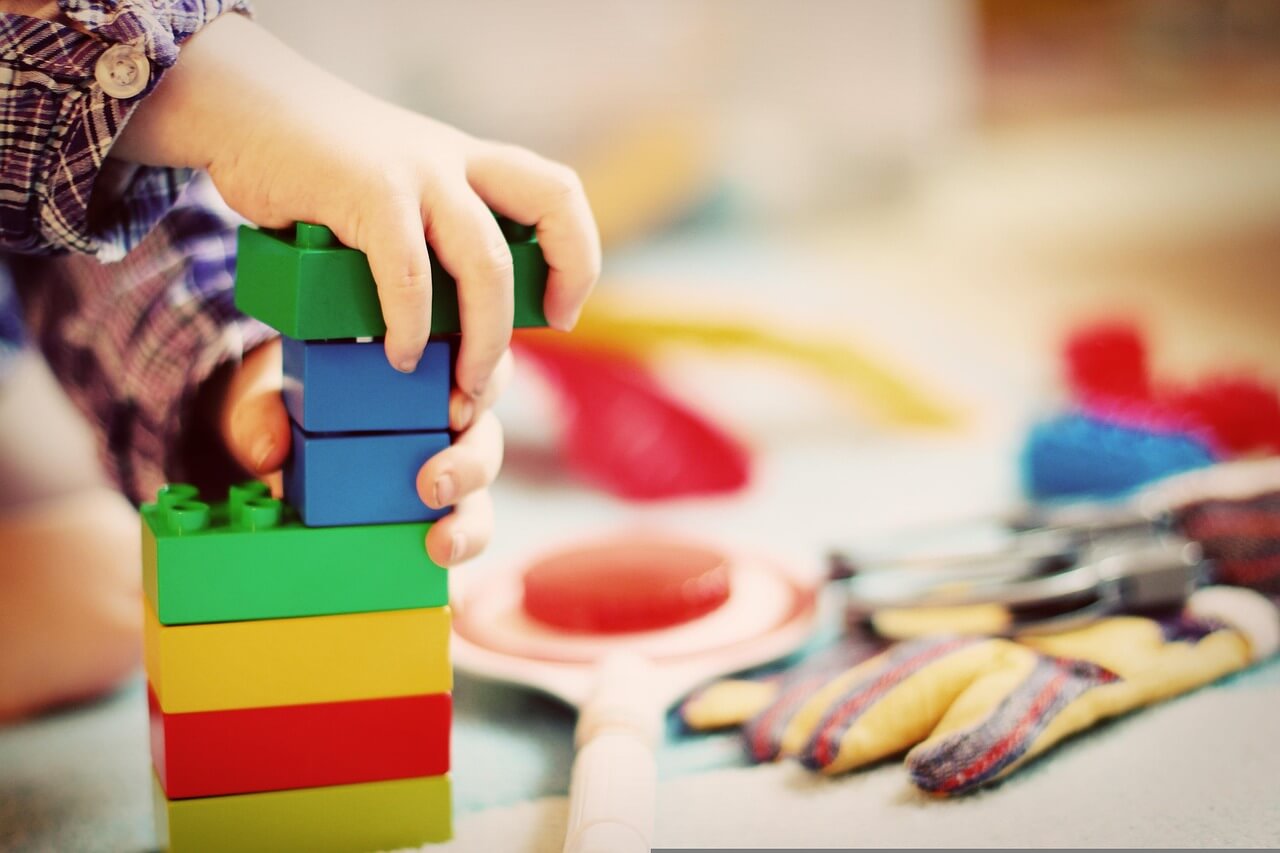
Some children find it hard to talk about how they feel, especially if they are not sure what those feelings are. Giving them something to do with their hands can help. Drawing, building or making up stories often reveals more than direct questions ever would.
It is not really about what they create. What matters is that they are engaged in something that allows thoughts and feelings to come out in their own way, without pressure to explain.

Why Routine Can Help More Than You Think
When a day feels uncertain, anxiety can quietly build. Having a rough pattern to follow can make things feel more predictable. Even familiar moments, like what happens after school or before bed, can help a child feel more settled.
In the UK, around 60% of people say having a routine helps them feel more in control of their mental health. For children, that sense of knowing what is coming next can take away some of the unease that uncertainty brings.
Creating Opportunities To Slow Down
Children often move quickly from one thing to another, which does not always leave much time to pause. Without those breaks, it can be harder for them to unwind. Building in quieter moments during the day can help balance things out.
These do not need to be planned or explained. Sitting together, reading or simply having a calm moment can be enough to help a child feel a bit more grounded.
When Additional Support Makes A Difference
These kinds of activities can be helpful day to day, but they are not always enough on their own. Some children continue to feel anxious in a way that starts to affect school, sleep or relationships. When that happens, extra support can make a real difference.
The Little Bee Clinic offers a calm and understanding environment where children can begin to make sense of how they feel. Support is shaped around each child, helping them build confidence and find ways to manage anxiety that work for them. Get in touch today to learn more!