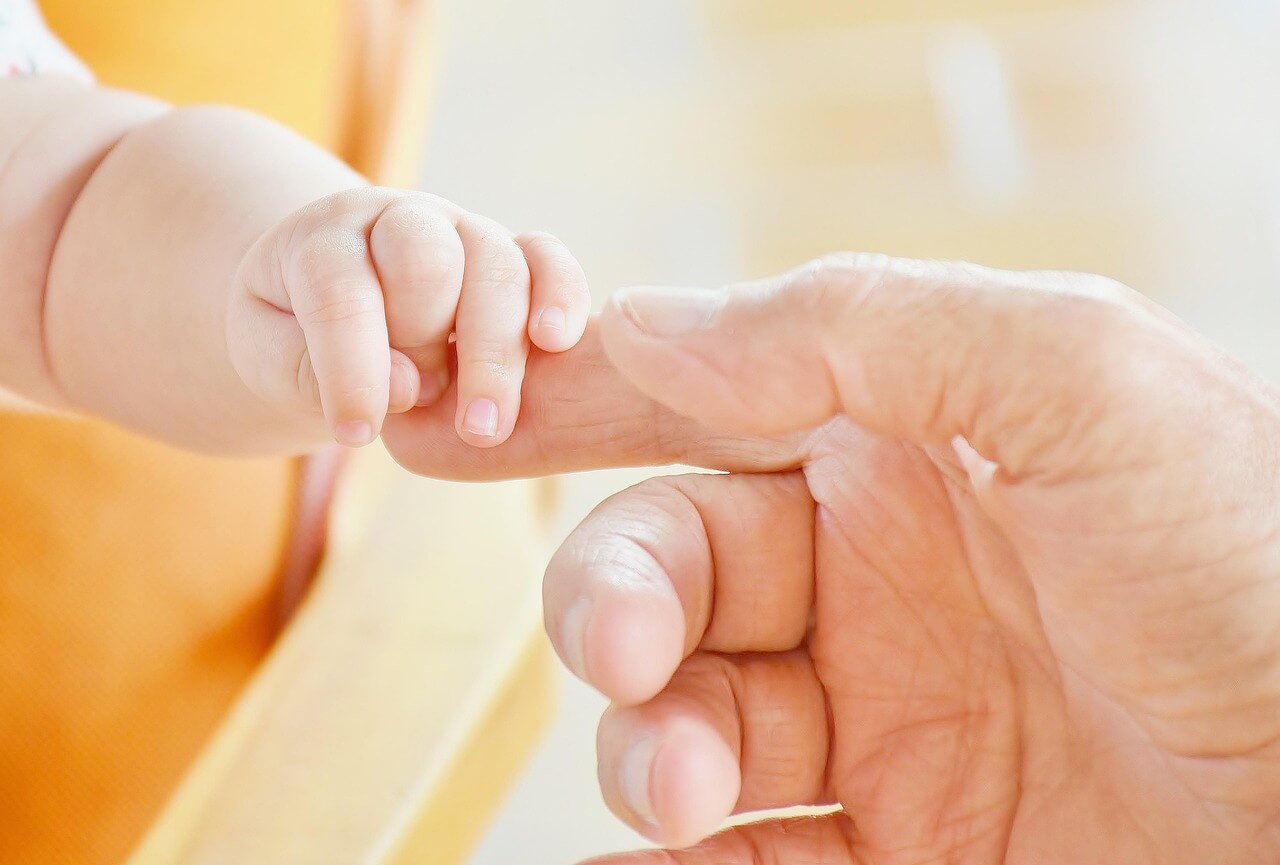
There is a moment almost every parent remembers. You place your baby into someone else’s arms for what feels like two seconds, step towards the door and suddenly the room fills with tears. Separation anxiety in infants happens because babies form deep emotional attachments to their caregivers and begin to understand that being apart feels unfamiliar and uncertain.
For many families, it arrives out of nowhere. One week your baby waves happily at grandparents, the next they cling tightly to your shoulder as though you are boarding a one way flight across the Atlantic. It can feel exhausting, emotional and surprisingly isolating, especially when everyone else seems to have a calm baby who happily drifts between relatives and childcare.
The reality is far more universal than most people realise. Around 70% of babies show signs of separation anxiety during their first year, according to child development research. Another study found that symptoms most commonly appear between 6 and 14 months, exactly when infants begin recognising familiar faces and routines more clearly.
Research also suggests that approximately 25% of parents worry separation anxiety may indicate a behavioural issue, despite it being a completely normal developmental stage. In childcare settings, nearly 60% of parents report difficult drop offs during the first few weeks of transition.
The surprising part? Separation anxiety is often a sign that attachment is developing exactly as it should!
Why Does Separation Anxiety Usually Start Around 8 Months?
Before this stage, babies live very much in the moment. If you leave the room, they do not yet fully grasp that you still exist elsewhere. Then cognitive development shifts gears. Suddenly, your infant understands that you are separate from them, but they do not yet understand when you will return.
That tiny developmental leap changes everything. A quick walk to the kitchen becomes an emotional event. Bedtime feels more dramatic. Nursery drop offs become performances worthy of an awards ceremony.
At the same time, babies are becoming more aware of unfamiliar environments, noises and people. Their world is expanding rapidly but emotionally they still rely heavily on the safety of familiar caregivers.
What Does Separation Anxiety Actually Look Like?
Not every infant reacts the same way. Some become tearful the second a parent leaves the room. Others wake more frequently during the night, refuse to settle with relatives or suddenly reject childcare they previously enjoyed.
You might notice:
- Clinginess during the day
- Crying when handed to another adult
- Increased night waking
- Fear around unfamiliar people
- Difficulty settling at nursery or with babysitters
- Strong preference for one caregiver
The intensity can vary wildly from child to child. Some babies breeze through this stage in weeks, while others revisit it during developmental milestones such as starting nursery or learning to walk.
Can Parents Accidentally Make Separation Anxiety Worse?
Many parents quietly worry they have caused the problem by being “too attached” or responding too quickly to distress. In reality, responsive parenting is not the cause of separation anxiety.
Inconsistent goodbyes, however, can make things harder. Babies thrive on predictability. Sneaking away while your infant is distracted may seem kinder in the moment, but it can create uncertainty over time. Short, calm and confident departures tend to work far better than long emotional exits.
Children take emotional cues from adults more than we realise. If a parent appears anxious, hesitant or distressed during separation, infants often absorb that tension immediately.
How Can You Help an Infant Feel More Secure?
Small routines can have a surprisingly powerful effect. Simple habits such as using the same goodbye phrase, keeping departures calm and allowing your child time to build familiarity with new carers can all help reduce distress gradually.
It also helps to practise tiny separations at home. Leaving the room briefly while continuing to speak or sing reassures babies that separation is temporary rather than permanent.
Comfort objects can also become emotional anchors. A familiar blanket, muslin cloth or even the scent of a parent on clothing can provide reassurance during moments of uncertainty.
Patience matters too. Separation anxiety is not usually solved in a weekend. It fades through repetition, consistency and trust.
When Should Parents Seek Additional Support?
While separation anxiety is developmentally normal, there are times when professional guidance can help families feel more supported. If an infant experiences extreme distress that affects sleep, feeding, social interaction or daily routines for prolonged periods, it may help to speak with experienced professionals.
The Little Bee Clinic supports infants and parents through compassionate guidance tailored to each child’s emotional and developmental needs. Our expert team works closely with families to understand behavioural patterns, strengthen attachment security and create practical strategies that reduce stress for both parents and children.
For many families, reassurance alone can make an enormous difference. Sometimes hearing “this is normal” from professionals who understand infant development changes the entire experience. Separation anxiety can feel intense in the moment but it is usually a temporary chapter in a much larger story!